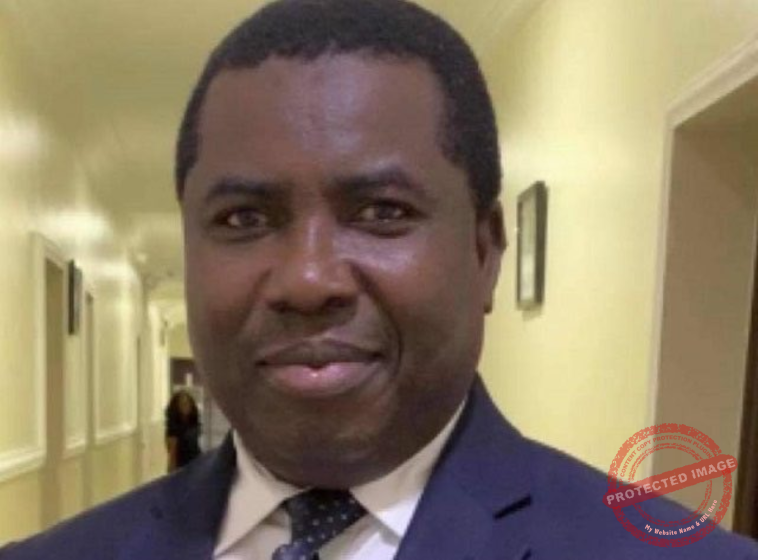
The Independent National Electoral Commission (INEC) has admitted that artificial intelligence-generated photographs and other questionable registration records were discovered in its preliminary voters’ register, blaming some of its registration officers for compromising the process.
The commission’s Director of Information and Communication Technology, Dr Lawrence Bayode, made the disclosure on Friday, October 30, 2026, during an interview on Arise Television’s The Morning Show.
Bayode explained that some registration officers allegedly used their official login credentials to introduce irregularities into the commission’s voter registration database.
According to him, the questionable records were discovered across different states following an examination of the database through INEC’s Automated Biometric Identification System (ABIS).
He clarified that not all the suspicious photographs were generated using artificial intelligence, as some resulted from poor registration practices.
“Some of these pictures are AI-generated. Some of them not AI-generated, but very bad registration. And this thing got into the register by the registration officers and because they have access to register people,” Bayode said.
The ICT director further explained that some registration officers across the country had carried out activities that resulted in irregular entries appearing in the preliminary register.
“We have registration officers on the field. And these registration officers, they have login details to log into the system.
“So what we have found is that some of these registration officers, not all of them now, some of them across the states nationwide, they’ve done different things to bring these irregularities onto the register,” he said.
Expressing concern over the development, Bayode said the commission had identified how some of the questionable records entered its database but could not establish the reasons behind the actions of the officers involved.
“When the ABIS was run on the system, we saw these people. We know what they did. We know how they did it. But honestly, I don’t know why,” he added.
The revelation comes amid growing public criticism following the publication of INEC’s preliminary voters’ register on its website on October 26.
Nigerians had raised concerns after screenshots circulated on social media showing suspicious photographs attached to voter records, particularly in parts of Etsako West Local Government Area of Edo State.
Some of the images appeared to have been generated using artificial intelligence, while other complaints involved alleged duplicate entries, questionable voter details and reports of deceased persons appearing in the register.
The development triggered questions about the effectiveness of INEC’s registration and verification systems ahead of the 2027 general elections.
In response to the controversy, INEC had earlier confirmed that it was investigating the suspicious photographs and other irregularities identified in the preliminary register.
In a statement issued on October 27 and signed by Mohammed Kudu Haruna, chairman of the commission’s Information and Voter Education Committee, INEC explained that the online register was the same preliminary version physically displayed at Registration Areas nationwide between October 9 and 15.
The commission said questionable records had been identified and flagged during the exercise, adding that corrective action had commenced.
INEC also stressed that the published register was not the final certified version, explaining that the display exercise was designed to allow registered voters and other stakeholders to identify errors and request necessary corrections.
The commission is expected to complete its verification, adjudication and data-cleanup processes before certifying the final Register of Voters on December 15, 2026.
Bayode’s latest disclosure has, however, intensified concerns about internal controls and the possibility of electoral officials manipulating the registration process.
The discovery has also renewed calls for greater transparency, accountability and stronger safeguards to protect the credibility of Nigeria’s electoral database.
Although the presence of AI-generated photographs does not automatically establish that fictitious individuals have been registered as eligible voters or that electoral fraud has taken place, the admission raises serious questions about how such materials passed through the registration process.
With the 2027 general elections approaching, Nigerians will be watching closely to see how INEC identifies the officials responsible, removes invalid records and ensures that the final voters’ register reflects genuine and eligible voters.