In a move that could reshape Nigeria’s struggling power sector, the Federal Government of Nigeria has launched an emergency Gas-to-Power Monitoring Committee to tackle the long-standing issues crippling electricity generation across the country.
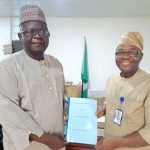
Unveiling the initiative in Abuja, the Minister of Power, Adebayo Adelabu, made it clear that the government is under pressure to deliver results.
“This is the moment we stop making excuses,” he said, stressing that persistent gas supply failures will no longer be tolerated.
For millions of Nigerians who face daily power outages, the announcement signals a potential shift. Gas-fired plants generate about 80 percent of the nation’s electricity, yet constant disruptions—from pipeline vandalism to unpaid debts and weak coordination—have left the system unreliable.
The newly formed committee is expected to take immediate action by fixing damaged gas pipelines, addressing payment issues with suppliers, and removing barriers slowing down gas delivery to power plants.
Unlike previous interventions, the government says this effort will be closely monitored, with strict deadlines, measurable targets, and direct accountability for results.
“Beyond monitoring, this committee must deliver real outcomes,” Adelabu insisted, emphasizing a transition from reactive fixes to long-term, structured solutions.
The committee includes key players such as the Transmission Company of Nigeria, Nigerian Independent System Operator, Niger Delta Power Holding Company, and the Nigerian Gas Association, alongside generation companies and consumer representatives.
Officials say the goal is simple but urgent: stabilise gas supply, improve electricity generation, and deliver more reliable power to homes and businesses.
For many Nigerians, however, the big question remains—will this finally bring lasting change, or is it another promise in a long history of power sector reforms?

 Shola Akinyele
127 Views
Shola Akinyele
127 Views












 WhatsApp us