in

Pastor Kingsley Okonkwo’s John 3:16 Tattoo Sparks Firestorm Online: Evangelism Masterstroke or Biblical Red Line?

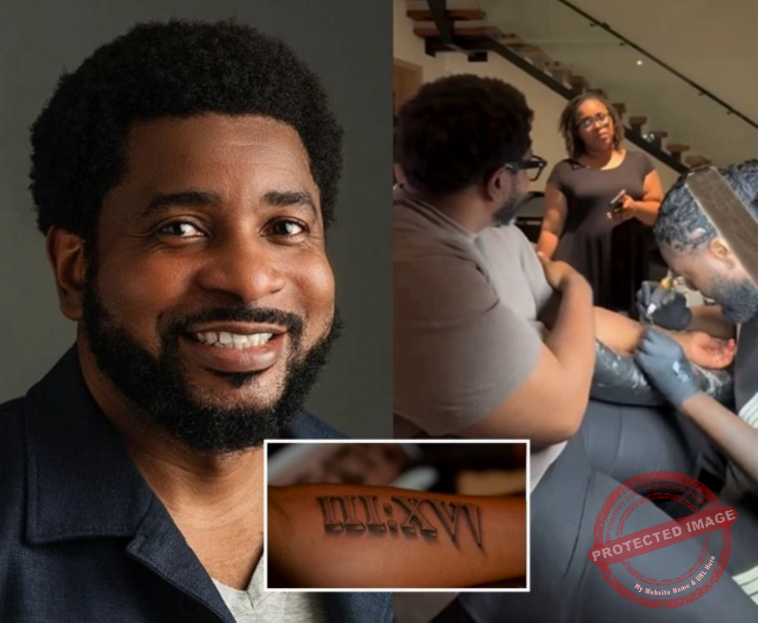
Pastor Kingsley Okonkwo, founder of David’s Christian Centre (DCC), is trending across Nigeria after unveiling a John 3:16 tattoo on his arm to mark his 50th birthday. The bold move has sparked intense debate among Christians, with critics questioning its biblical legitimacy and supporters hailing it as innovative evangelism.

Follow
( 0 Followers )
X

Follow

E-mail : *

A bold personal decision by one of Nigeria’s most prominent pastors has ignited a nationwide debate, dividing Christian circles and dominating social media conversations on faith, freedom, and pastoral responsibility.

Pastor Kingsley Okonkwo, founder and lead pastor of David’s Christian Centre (DCC) and a widely followed relationship coach, trended heavily after unveiling a new tattoo on his forearm to celebrate his 50th birthday. The tattoo features John 3:16, one of Christianity’s most quoted scriptures, inscribed in Roman numerals — III:XVI.

The reveal came via a video shared on his official Instagram page, where a voice-over recites the full verse: “For God so loved the world that He gave His only Son, that whoever believes in Him shall not perish but have eternal life.” As the camera pans to the fresh ink, what began as a birthday milestone quickly snowballed into a full-blown theological controversy.

Critics were swift to react, citing Leviticus 19:28, which warns against marking the body, and Romans 14, which urges believers—especially leaders—not to cause others to stumble. Many argued that pastors are held to a higher moral and spiritual standard, with some describing the tattoo as inconsistent leadership and others branding it “performative” or “modern Christianity gone too far.”

One outspoken critic suggested the move reflected a trend of pastors prioritizing relevance and aesthetics over holiness and restraint, warning that such actions could confuse younger believers.
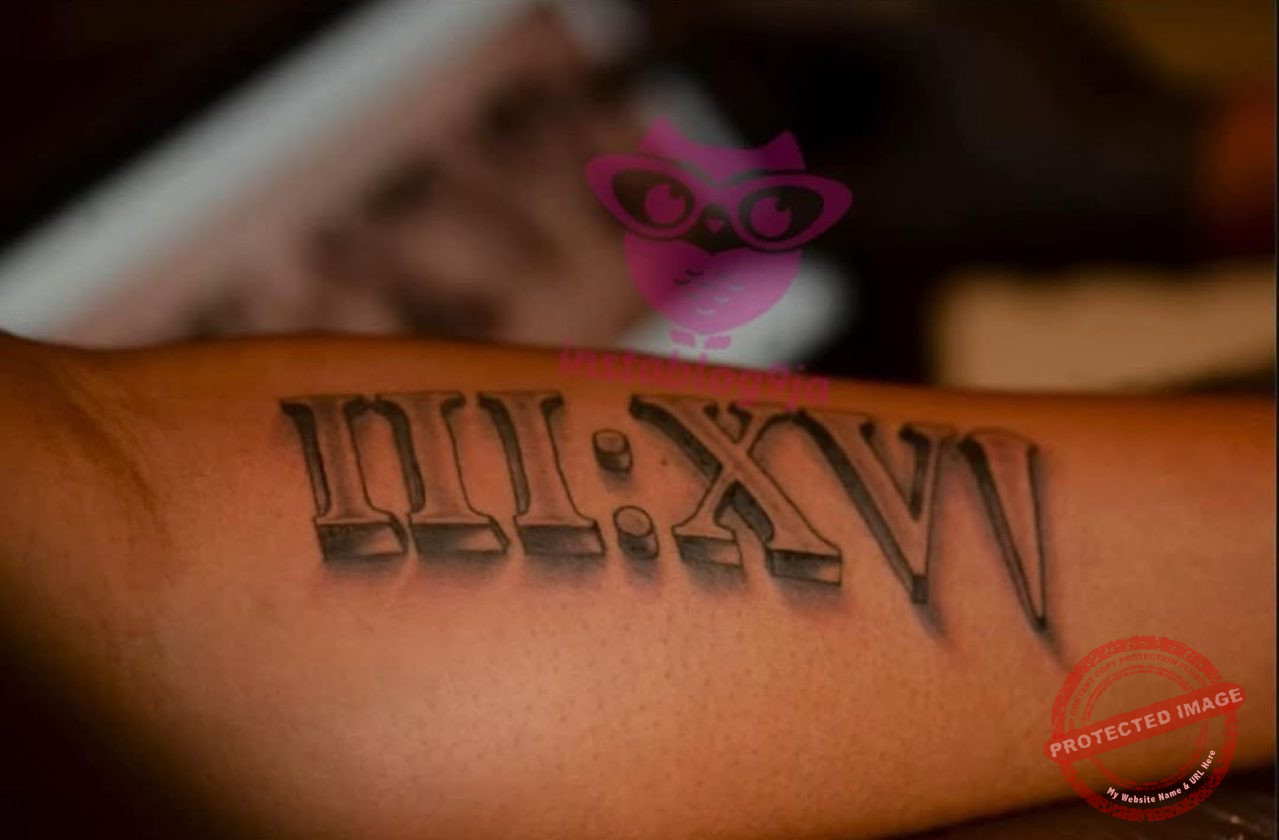

Supporters, however, rallied strongly behind Okonkwo. In follow-up posts and videos, the pastor defended his choice as intentional evangelism, stating that the tattoo had “preached to millions in less than 24 hours” as blogs, news sites, and social media platforms amplified the scripture far beyond church walls.

He further argued that Christians operate under New Testament grace, noting that many Old Testament ceremonial laws—such as dietary restrictions and clothing regulations—are no longer observed. According to him, the tattoo prohibition falls within that same category. Pastor Okonkwo also described what he called Nigeria’s “Afrotrado-Judo” Christianity—a blend of African traditional beliefs and Judeo-Christian interpretations—which he said often fuels confusion around doctrine.

Doubling down, he promised a detailed biblical explanation in subsequent teachings, while urging critics to “drink water and relax.” He also invited followers to join his birthday praise party and thanksgiving services.

The controversy underscores a broader tension within Nigerian Pentecostalism: how to balance cultural relevance, digital evangelism, and generational shifts with long-held expectations of pastoral decorum and example-setting. While many see the tattoo as a creative tool to reach Gen Z and unchurched audiences, others fear it blurs boundaries in an already rapidly modernizing church landscape.

As the debate continues to trend and opinions remain sharply divided, one outcome is undeniable—John 3:16 has rarely been this visible in Nigeria’s public discourse.

Evangelism innovation or a step too far for a pastor? The conversation is far from over.

Follow Us on Social Media

Author

Written by Shola Akinyele

Comments

Leave a Reply

$7 Trillion Precious Metals Crash: Gold & Silver Plunge

ISIS-Sahel Releases Chilling Video Claiming Night Raid on Niger’s Air Base 101 in Niamey