Nigerians have renewed calls for justice and police accountability six years after the deadly #EndSARS protests at the Lekki Toll Gate in Lagos, following reports that police fired tear gas to disperse a memorial gathering marking the anniversary of the October 20, 2020, shooting.
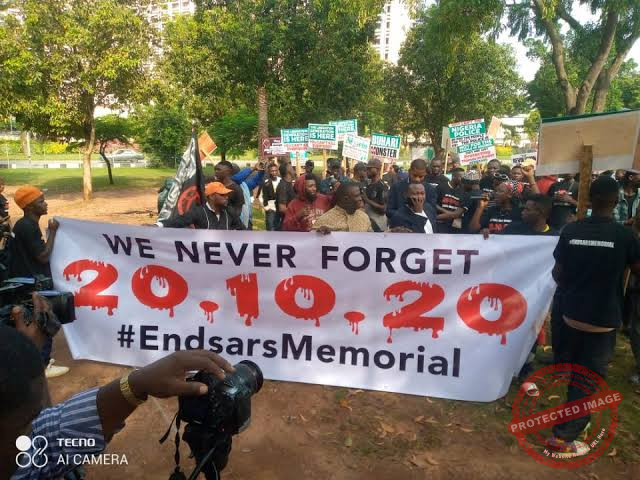
The incident occurred on Tuesday, October 20, 2026, as activists, residents and political figures gathered at the toll gate to remember victims of the protests against police brutality and demand accountability for the violence that shocked the country.
The gathering included a planned wreath-laying ceremony organised to honour those killed or reported missing during the demonstrations. However, the event was disrupted when police officers reportedly deployed tear gas, forcing participants to flee the area.
Among those affected were Gbadebo Rhodes-Vivour, the African Democratic Congress (ADC) politician and former Lagos governorship candidate, and political figure Funso Doherty. The police action drew criticism from activists, who questioned why a gathering intended to commemorate victims had been disrupted.
Reports by Nigerian media outlets said the ceremony could not proceed as planned. The Lagos State Police Command had not issued a detailed public explanation for the use of tear gas in the reports available at the time of writing.
The confrontation revived painful memories of October 20, 2020, when soldiers deployed to the Lekki Toll Gate opened fire on protesters who had been demonstrating against police brutality and abuses associated with the disbanded Special Anti-Robbery Squad (SARS).
The #EndSARS movement began earlier in October 2020, as young Nigerians took to the streets to protest alleged unlawful arrests, extortion, torture and extrajudicial killings by SARS officers. The demonstrations spread to several parts of the country, becoming a nationwide demand for police reform and accountability.
Lekki became one of the movement’s most prominent protest sites, with demonstrators gathering at the toll gate for days. On the night of October 20, security forces moved into the area, and soldiers fired at protesters in circumstances that generated widespread condemnation and conflicting accounts from government authorities and witnesses.
An investigation by CNN, published in November 2020, analysed eyewitness accounts, videos and other material relating to the shooting. The Nigerian Army acknowledged during proceedings before the Lagos State Judicial Panel of Inquiry that soldiers deployed to the toll gate had been supplied with both live and blank ammunition.
The Lagos State Judicial Panel of Inquiry, established to investigate police brutality and the Lekki incident, submitted its report in November 2021. The panel described the shooting as a massacre and documented deaths, injuries and alleged abuses connected to the incident.
The panel reported that nine people were killed in connection with the Lekki Toll Gate incident and identified four others as missing and presumed dead. Its findings became a major reference point for families, activists and rights organisations seeking accountability.
However, the Federal Government disputed important aspects of the panel’s conclusions, including its interpretation of the evidence surrounding the casualties. The disagreement has contributed to continuing controversy over the incident and the extent to which those responsible have been held accountable.
For families of victims and many #EndSARS supporters, the passage of six years has not brought a satisfactory resolution. They continue to demand transparent investigations, accountability for alleged abuses, compensation for affected families and reforms to prevent future violations.
Although SARS was disbanded in October 2020, concerns about police conduct and accountability have remained part of Nigeria’s public debate. Rights advocates have repeatedly called on authorities to implement recommendations from judicial panels and ensure that allegations of misconduct by security personnel are properly investigated.
The anniversary has also renewed attention to people who disappeared or died amid the wider protests and their aftermath. Families continue to seek answers about the fate of loved ones, while activists argue that the passage of time should not diminish the responsibility of authorities to establish the facts.
The reported use of tear gas at the 2026 memorial has therefore become another point of contention, raising questions about the handling of commemorations and the protection of citizens’ rights to peaceful assembly and expression.
For many Nigerians who took part in or supported the #EndSARS movement, the annual gathering is more than a remembrance ceremony. It is an opportunity to keep the victims’ stories in public view and renew demands for reforms that would make law enforcement more accountable to the people it serves.
Six years after the Lekki shooting, the competing accounts of the incident, the unresolved demands of victims’ families and the latest disruption of the memorial underline why the events remain a sensitive chapter in Nigeria’s recent history.
As calls for justice continue, activists and families are urging authorities to ensure that peaceful remembrance is respected and that commitments to police reform translate into meaningful action.

 Shola Akinyele
35 Views











 WhatsApp us