Tanzania’s Nuclear Energy Push Gains Momentum With $1.2 Billion Russia-Backed Uranium Project
Tanzania is targeting nuclear electricity generation by 2030 after launching East Africa’s first uranium processing pilot plant in partnership with Russia’s Rosatom. is targeting nuclear electricity generation by 2030 after launching East Africa’s first uranium processing pilot plant in partnership with Russia’s Rosatom.
Tanzania is rapidly advancing its nuclear energy ambitions, unveiling a bold strategy aimed at generating nuclear electricity by 2030 as the country accelerates uranium mining and strengthens strategic partnerships with global nuclear players.
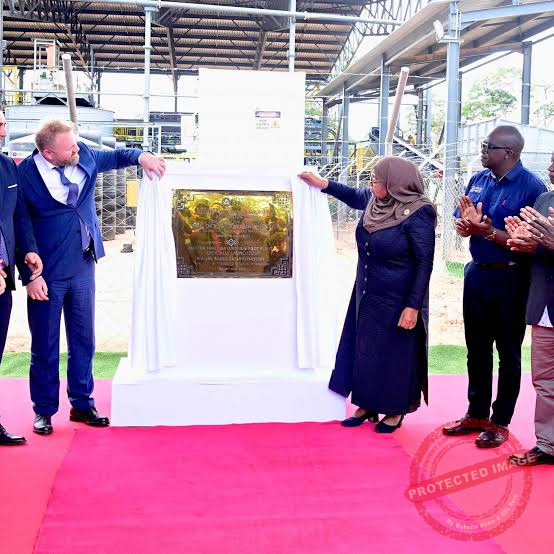
In a major milestone for East Africa’s energy sector, Tanzania commissioned a $1.2 billion pilot uranium processing plant in July 2025 under the Mkuju River Project, developed in collaboration with Russian state nuclear corporation Rosatom. The development makes Tanzania the first and only country in East Africa to host such a facility.
Located at the Nyota deposit in southern Tanzania, the pilot plant will test and optimize uranium processing technologies ahead of full-scale commercial operations expected to begin by 2029.
According to project estimates, the facility could produce up to 3,000 tonnes of uranium annually over a projected 22-year operational lifespan. The Mkuju River Project is believed to contain approximately 58,500 tonnes of uranium reserves, placing Tanzania among countries with some of the world’s significant untapped uranium deposits.
Tanzanian President Samia Suluhu Hassan presided over the inauguration ceremony, describing the project as a strategic step toward industrial growth, energy diversification, and long-term national development.
During the Nuclear Energy Innovation Summit in Kigali, President Hassan also held discussions with Rafael Mariano Grossi, Director General of the International Atomic Energy Agency, reaffirming Tanzania’s commitment to the peaceful development and use of nuclear energy technologies.
.The uranium initiative forms part of broader government efforts to expand Tanzania’s energy mix, reduce dependence on traditional power sources, and leverage the country’s vast mineral wealth to stimulate economic growth and attract foreign investment.
Rosatom’s involvement through its subsidiary Mantra Tanzania Ltd. highlights growing cooperation between Tanzania and Russia in the nuclear and mining sectors. Industry analysts say the partnership could position Tanzania as a future strategic supplier in the global uranium market while laying the foundation for eventual nuclear power generation.
The project is also expected to create thousands of jobs, improve infrastructure in southern Tanzania, and strengthen the country’s role in Africa’s emerging nuclear energy landscape.
Energy experts, however, caution that significant challenges remain before Tanzania can successfully operate nuclear power facilities. Analysts have pointed to the need for skilled nuclear engineers, advanced regulatory systems, technical expertise, and strict international safety oversight to ensure safe and sustainable development.
The move comes at a time when countries around the world are increasingly turning back to nuclear energy as demand grows for reliable low-carbon electricity amid climate concerns and rising energy consumption.
If successfully implemented, Tanzania’s nuclear strategy could transform the country into one of Africa’s leading energy and uranium powers while reshaping the future of electricity generation in East Africa.

 Shola Akinyele
201 Views
Shola Akinyele
201 Views













 WhatsApp us