in

“Go Home?” Mbeki Sparks Continental Debate as He Defends African Migrants in South Africa

Former President says blaming African foreigners for unemployment and economic hardship ignores the real causes of South Africa’s decline

Follow
( 0 Followers )
X

Follow

E-mail : *

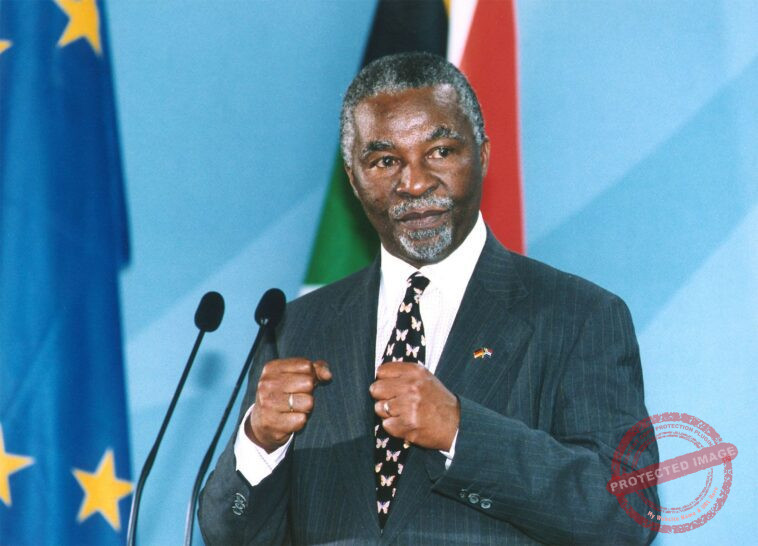
Former South African President Thabo Mbeki has ignited widespread debate across Africa after delivering a passionate defense of African migrants living in South Africa, warning that xenophobia and anti-foreigner sentiment are dangerously misdirected.

Speaking during a public discussion on migration and African integration hosted by the Thabo Mbeki Foundation, Mbeki condemned the growing hostility toward African migrants and argued that many foreigners see South Africa as a shared African home because of the continent’s collective sacrifice during the anti-apartheid struggle.

“When you tell an African migrant living in Johannesburg to go home, he doesn’t understand,” Mbeki said during the discussion, in comments that have since gone viral on social media platforms across Africa.

According to the former president, many African nations stood firmly behind South Africans during apartheid by offering shelter, diplomatic backing, financial support, and safe havens for exiled activists. Countries such as Nigeria, Zambia, and others opened their doors to South Africans fleeing racial oppression, creating what Mbeki described as deep bonds of continental solidarity.

He argued that this shared history explains why many African migrants do not view themselves as outsiders in South Africa.

Mbeki also pushed back strongly against claims that undocumented African migrants are responsible for South Africa’s soaring unemployment and economic struggles.

“The finger is being pointed at the wrong people. The levels of high unemployment in this country are not due to undocumented Africans,” he said. “The people who caused that decline are laughing in the corner.”


The former president pointed to South Africa’s economic growth between 1994 and 2008, a period during which the country experienced stronger expansion and rising investor confidence. He contrasted that era with the economic slowdown, governance challenges, and rising unemployment that followed after 2009.

South Africa currently faces one of the highest unemployment rates in the world, with joblessness remaining above 32 percent in recent years. The economic pressure has fueled recurring tensions in communities where locals accuse foreign nationals — particularly migrants from countries such as Zimbabwe, Mozambique, and Nigeria — of taking jobs, increasing crime, and putting pressure on public services.

The country has witnessed repeated outbreaks of xenophobic violence over the years, especially in urban centers including Johannesburg, where foreign-owned shops and businesses have sometimes been targeted during unrest.

Despite migrants accounting for a relatively small percentage of South Africa’s total population, anti-immigrant rhetoric has become increasingly influential in political and public discourse, especially during periods of economic hardship.

Mbeki warned that blaming migrants for the nation’s problems risks distracting the country from addressing deeper structural issues such as governance failures, inequality, corruption, weak economic reforms, and limited job creation.

He instead called for renewed pan-African unity and a more honest national conversation about the true drivers of South Africa’s economic challenges.

The remarks have triggered sharp reactions online and across political circles. Supporters praised the former president for defending African solidarity and challenging xenophobia, while critics argued that illegal immigration, crime, and pressure on limited economic opportunities remain legitimate concerns for many South Africans.

As debate continues to intensify, Mbeki’s intervention has once again placed the issue of migration, economic frustration, and African identity at the center of national discussion in South Africa.

Follow Us on Social Media

Author

Written by Shola Akinyele

Comments

Leave a Reply

The Full Story Behind the 1985 CAC Certificate Controversy

Nigeria Moves to Hand Chinese Firms Majority Control of Key Refineries in $2.5bn Rescue Deal