Trump Issues Explosive 48-Hour Ultimatum to Iran: Reopen Strait of Hormuz or Face Destruction of Power Plants
Trump’s Explosive 48-Hour Deadline: Iran Must Reopen Strait of Hormuz or Face Total Destruction of Power Plants – Oil Crisis Escalates as Deadline Looms
In a high-stakes escalation on day 23 of the U.S.-led Operation Epic Fury against Iran, President Donald J. Trump has issued a blunt 48-hour ultimatum demanding Tehran immediately reopen the Strait of Hormuz without any threats to international shipping.
In a direct Truth Social post, Trump declared:
“If Iran doesn’t FULLY OPEN, WITHOUT THREAT, the Strait of Hormuz, within 48 HOURS from this exact point in time, the United States of America will hit and obliterate their various POWER PLANTS, STARTING WITH THE BIGGEST ONE FIRST! Thank you for your attention to this matter. President DONALD J. TRUMP.”
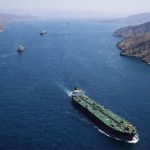
The deadline—approximately March 24, 2026—comes amid severe disruptions in the vital waterway. The strait handles about 20% of global oil supply, but traffic has dropped 95% due to Iranian mines, missile threats, and naval actions. This has spiked Brent crude prices to $100–110 per barrel, stranding vessels worldwide and pressuring energy markets.
The ultimatum arrives as U.S. and allied forces have already conducted massive strikes under Operation Epic Fury. Over 8,000 targets across Iran have been hit, devastating the country’s navy, air defenses, and military infrastructure while securing overwhelming air superiority.
To ease global oil strain from the blockade, the U.S. Treasury issued a sanctions waiver permitting $14 billion in Iranian oil sales—balancing security goals with market stability.
Iran has issued defiant warnings: any direct strikes on its territory will prompt retaliation against U.S. and Gulf allies’ energy facilities.
Iran’s missile barrages have targeted distant and strategic sites. Long-range ballistic missiles were launched at the U.S.-U.K. base on Diego Garcia (over 4,000 km away)—one intercepted, another failing mid-flight—demonstrating reach that could threaten European capitals.
In Israel, strikes hit Arad and Dimona in the Negev Desert (near sensitive nuclear facilities). Buildings collapsed, over 100 people were wounded (11 seriously), and Prime Minister Benjamin Netanyahu described it as a “very hard night,” promising forceful retaliation.
A 20-nation coalition now supports freedom of navigation in the strait, with additional naval forces deployed.
Oil futures remain highly volatile. Diplomatic channels are strained, and Iran has not yet formally responded to the 48-hour demand—though officials reiterate threats against regional U.S. assets.
This developing story carries massive geopolitical and economic implications. The coming hours could determine whether escalation spirals further or de-escalation efforts gain traction.
Updates will follow as the deadline approaches and reactions emerge.















 and then
  WhatsApp us