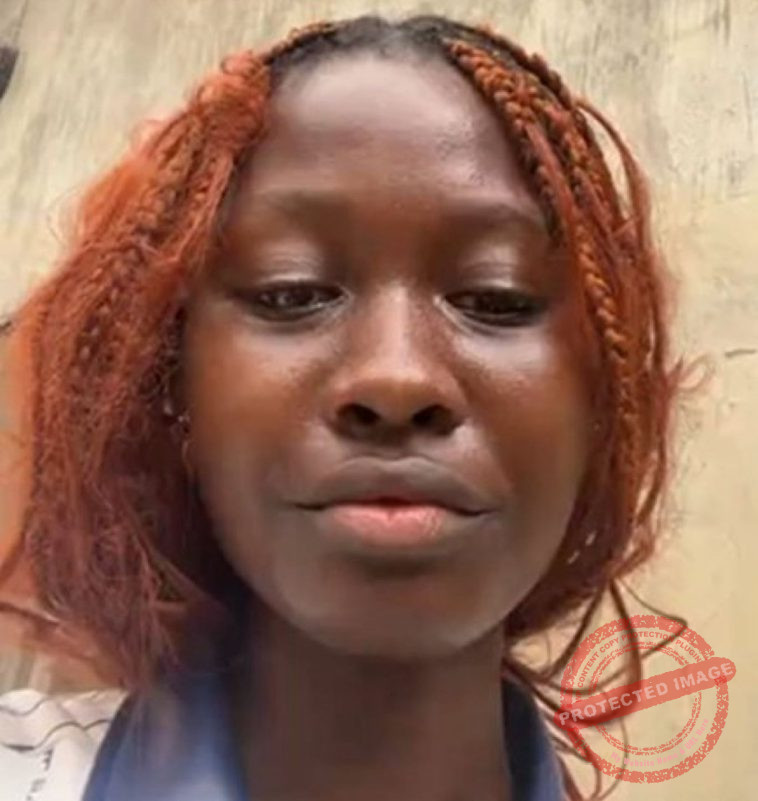
Nigerian social media has erupted following a dramatic confession by 18-year-old TikToker Abigail Nsuka, popularly known as Mirabel, who admitted that her earlier viral rape allegation was fabricated.
Mirabel, who posts under the handle @mirab351, had initially claimed that she was attacked in her residence in Ogijo, Ogun State, alleging assault and forced poisoning. Her emotional videos triggered widespread outrage, the hashtag #StopRapingWomen, and public donations, including financial support from social media activist VeryDarkMan, whose real name is Martins Otse.
However, doubts emerged after medical examinations reportedly found no evidence supporting the claims and investigators identified inconsistencies in her account. In a recorded phone conversation later shared online by VeryDarkMan, Mirabel broke down and admitted the story was untrue.
In the confession, she disclosed that she created fake messages to herself from a secondary account and attributed her actions to emotional distress and substance misuse. She also revealed struggles with mental health challenges and self-harm.
Following the admission, the Ogun State Police confirmed she had been taken into custody. Authorities indicated she could face charges related to false reporting and misleading law enforcement, emphasizing that fabricated allegations can undermine genuine victims and waste public resources.
The case has divided public opinion. Some Nigerians are demanding strict legal consequences, particularly amid calls for refunding donations made during the initial outcry. Others are advocating compassion and mental health intervention rather than punitive measures.
The controversy took another turn when award-winning Nigerian singer Simi became entangled in online backlash. Days before Mirabel’s confession, Simi had posted strongly worded messages condemning sexual violence and urging focus on protecting survivors.
After the TikToker’s story unraveled, critics resurfaced Simi’s old tweets from 2014–2016 expressing admiration for American rapper J. Cole, attempting to twist them into unrelated narratives. The posts, widely interpreted by fans as harmless celebrity fangirl comments from her early career, were circulated alongside criticism of her advocacy stance.
On February 20, Simi responded with humor, dismissing the attacks and reinforcing her support for addressing sexual violence. Supporters defended her, describing the resurfaced posts as nostalgic and irrelevant to the current issue.
As Mirabel’s case proceeds through legal channels, the episode has sparked broader discussions about false allegations, the impact on real survivors, mental health awareness, and the power of social media narratives in shaping public opinion.
The intertwined controversies continue to trend nationwide, underscoring the speed at which viral outrage can shift—from sympathy and activism to scrutiny and online backlash—within Nigeria’s digital landscape.

 Shola Akinyele
329 Views
Shola Akinyele
329 Views














 WhatsApp us