Iran Interim Leader Alireza Arafi Declares “Negotiations Are Over” as US-Iran War Escalates After Khamenei’s Death
Iran’s transitional leadership hardens its stance under Alireza Arafi, signaling intensified retaliation against the United States and Israel as the post-Ali Khamenei succession crisis deepens amid escalating regional conflict.
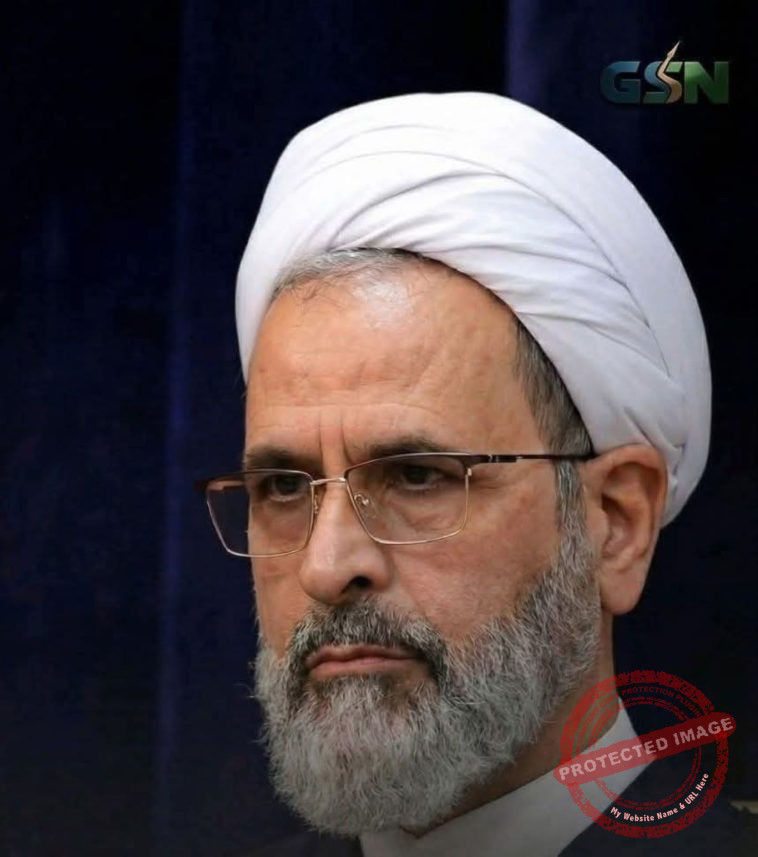
Iran’s interim leader Alireza Arafi has issued a defiant and strongly worded warning to the United States and Israel, declaring that diplomacy has ended and vowing severe retaliation as the ongoing conflict intensifies across the Middle East.
Arafi, a senior hardline cleric and longtime ally of the late Supreme Leader Ali Khamenei, was appointed to Iran’s three-member interim leadership council following Khamenei’s death during the current military escalation between Iran, the United States, and Israel.
In remarks widely circulated across Iranian state-affiliated media and international platforms, Arafi signaled a decisive shift away from diplomacy.
“The time for negotiations is over. The United States has chosen to cross the red line,” he declared, warning of consequences that he described as unpredictable and devastating. He further stated that Washington and Tel Aviv underestimate Iran’s capabilities and resolve, insisting that the Islamic Republic remains firmly in control of its strategic response.
While no official verbatim transcript matching the most widely shared quotes has been released by state media, recent televised statements attributed to Arafi echo similar themes of resistance, revenge for Khamenei’s death, and continuity of Iran’s revolutionary doctrine.
Under Article 111 of Iran’s Constitution, the interim leadership council was activated to govern the country until a permanent successor is selected by the Assembly of Experts. The council currently consists of Arafi, President Masoud Pezeshkian, and Judiciary Chief Gholamhossein Mohseni-Ejei.
Arafi, 67, holds significant influence within Iran’s clerical and political institutions. He has previously led the country’s seminary system, served on the Guardian Council, and currently acts as deputy chairman of the Assembly of Experts. Analysts consider him a strong contender for permanent Supreme Leader, depending on the outcome of internal deliberations.
Meanwhile, hostilities continue to intensify. Iran has launched retaliatory missile and drone strikes targeting U.S. military installations in the Gulf region and Israeli sites. American and Israeli forces have sustained air operations against Iranian military infrastructure, deepening fears of a prolonged and potentially wider regional war.
Global markets have reacted sharply to the escalation, with oil prices climbing amid concerns over supply disruptions and the security of major shipping routes in the Persian Gulf. Energy analysts warn that any direct threat to the Strait of Hormuz could significantly disrupt global oil flows and further destabilize international markets.
Political observers say Arafi’s uncompromising rhetoric serves both domestic and international purposes — projecting strength during a sensitive leadership transition while signaling to foreign powers that Iran’s strategic posture will not soften despite internal changes.
As Iran navigates leadership succession under active military pressure, the international community remains on high alert. With negotiations effectively ruled out by Tehran’s interim leadership, the path forward appears increasingly uncertain.
The situation remains fluid, and global leaders continue to monitor developments closely as tensions between Iran, the United States, and Israel reach a critical juncture.

 Shola Akinyele
2.9k Views
Shola Akinyele
2.9k Views














 WhatsApp us