
 Shola Akinyele

Follow
X
Follow
The Nigerian Army has intensified efforts to develop indigenous military technology, testing locally developed weapons and equipment in Kaduna State as part of a broader strategy to strengthen operational readiness and reduce dependence on foreign suppliers.
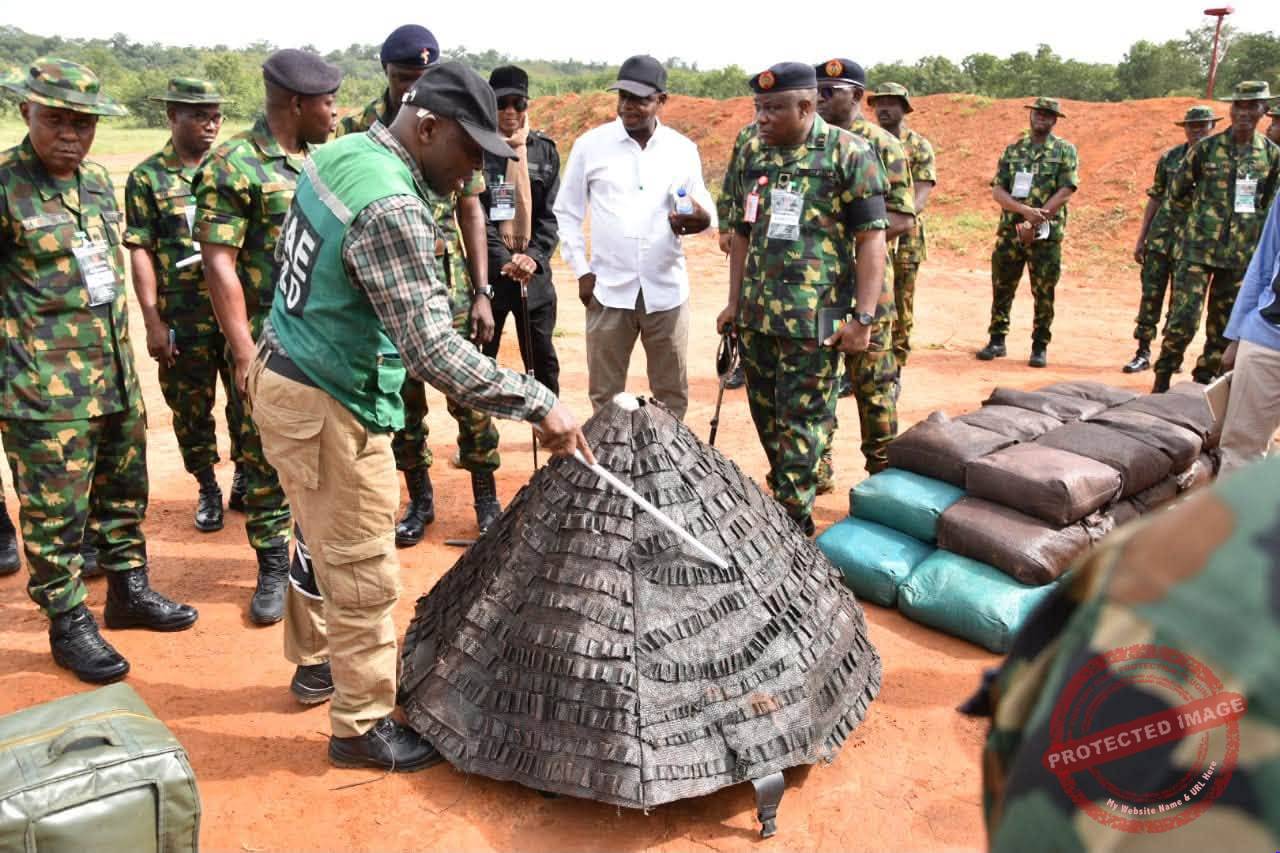
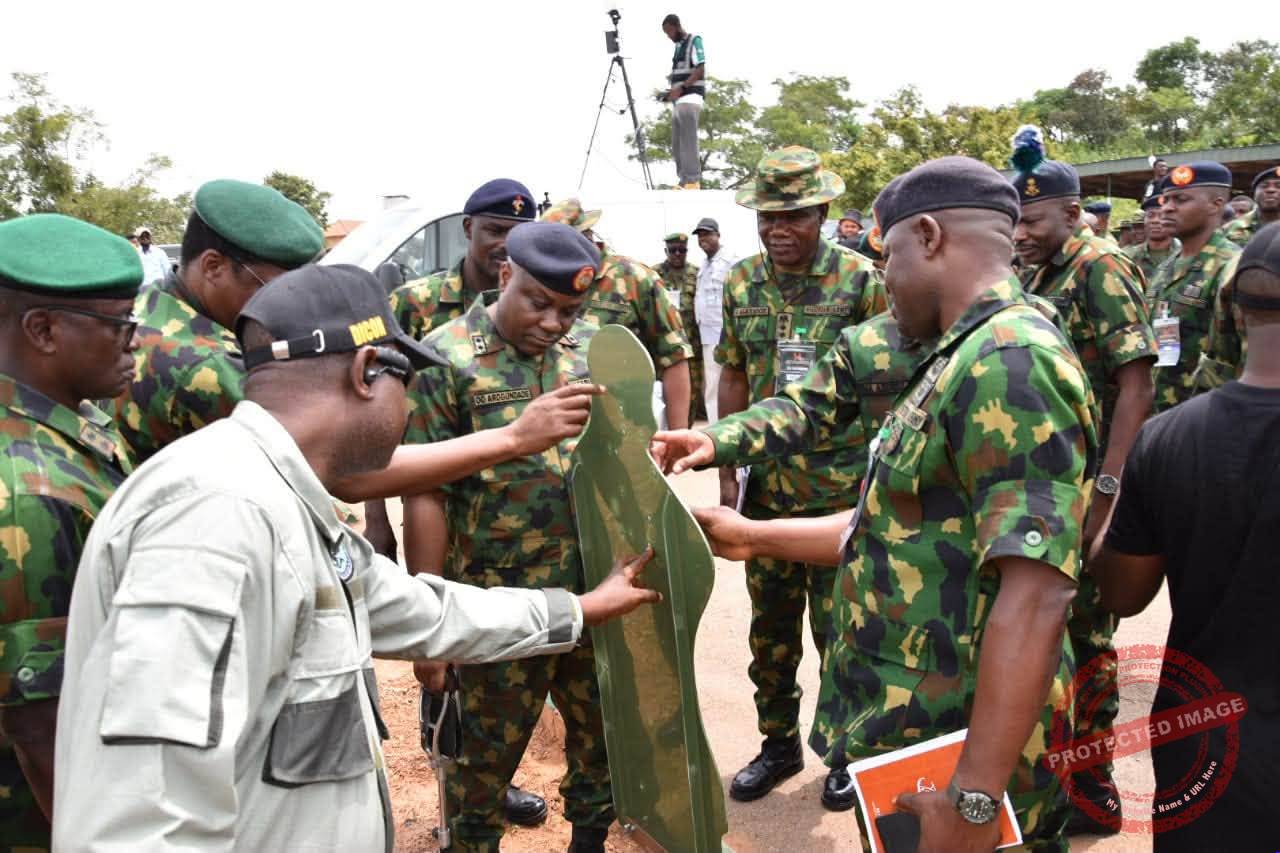
The Chief of Army Staff (COAS), Lieutenant General Waidi Shaibu, disclosed this while declaring open a four-day field test of military prototypes at the Jaji Military Cantonment Range in Kaduna State, held from October 5 to 8, 2026.
A statement signed by Lieutenant Colonel Polycarp Okoye, Acting Deputy Director, Army Public Relations, Headquarters Infantry Corps Centre, said Shaibu, who was represented by the Commander, Infantry Corps, Major General G.M. Mutkut, stated that his command philosophy had driven improvements in logistics, equipment maintenance, sustainment and management systems to enhance the Army’s long-term operational effectiveness.
He described the exercise as a significant step towards moving indigenous military innovation beyond exhibitions and demonstrations to rigorous practical assessments under realistic field conditions.
According to him, developing local research and technological capacity is critical to addressing military capability gaps, strengthening equipment support systems and reducing reliance on external sources for military hardware.
“The Nigerian Army recognises that indigenous research and technological innovation are essential to closing capability gaps, strengthening equipment support systems, and reducing dependence on external sources,” he said.
The Army Chief explained that the field tests were designed to establish the functionality, operational effectiveness and suitability of the prototypes for military use.
He expressed confidence that the exercise would help deliver more reliable equipment, reduce operational deficiencies and strengthen Nigeria’s capacity to develop practical technological solutions for its defence needs.
Shaibu also charged the assessment team to maintain the highest standards of professionalism and objectivity, stressing the importance of credible evaluations in determining the potential military applications of the prototypes.
He expressed appreciation to President Bola Ahmed Tinubu for his strategic guidance and continued support for the Nigerian Army.
Earlier, the Chief of Transformation and Innovation (Army), Major General P.O.A. Okoye, described the exercise as an important milestone in the military’s efforts to strengthen research and development, encourage innovation and expand indigenous defence capabilities.
Okoye said the field tests offered military personnel who would eventually use the equipment an opportunity to interact with the prototypes and provide practical feedback.
He explained that input from end-users would help developers identify areas requiring improvement and guide further refinement of the technologies.
The Deputy Chief of Transformation and Innovation, Brigadier General H.I. Dasuki, noted that many countries maintained varying levels of self-sufficiency in military hardware production. He urged military and civilian research organisations to take advantage of the exercise to deepen their technical expertise and contribute to Nigeria’s domestic defence industry.
The exercise featured military hardware developed by the Nigerian Defence Academy, Nigerian Army Signals Maintenance Command, Nigerian Army Engineers, Nigerian Army Corps of Supply and Transport, Nigerian Army College of Electrical and Mechanical Engineering, and the Nigerian Army College of Environmental Science and Technology.
Private-sector participants included PRIMETEK Multi-business Solutions, PROFORCE Limited, Tera Haptic Industries and DICON Gray Insignia, highlighting the role of collaboration between military institutions and local companies in developing defence technology.
Software prototypes were also tested at the Nigerian Army Space Command in Giri, Abuja.
The opening ceremony attracted corps commanders, commandants of Nigerian Army institutions, and senior serving and retired military officers.
The initiative comes amid continuing security challenges across parts of Nigeria, increasing the importance of reliable equipment, effective logistics and technologies tailored to the country’s operational requirements.
In a related development, troops of Sector 2, Operation FANSAN YAMMA, neutralised two improvised explosive devices planted by terrorists along the Magami–Hannutara–Dansadau road in Maru Local Government Area of Zamfara State.
The troops reportedly acted on credible intelligence, secured the affected area and located the explosive devices before deploying an Explosive Ordnance Disposal team.
The team destroyed one of the devices and safely rendered the second harmless, while troops intensified patrols and surveillance along the route to prevent further threats.
The Army urged residents to remain vigilant and report suspicious objects or activities to the nearest security agency.




















 WhatsApp us
Comments