Nigeria’s Stock Market Emerges World’s Best Performer in 2026, Delivers 67% Dollar Returns to Beat South Korea
Bloomberg ranking places the Nigerian Exchange (NGX) at the top of 92 global stock markets as reforms, a stronger naira, and banking sector growth fuel a record-breaking rally.
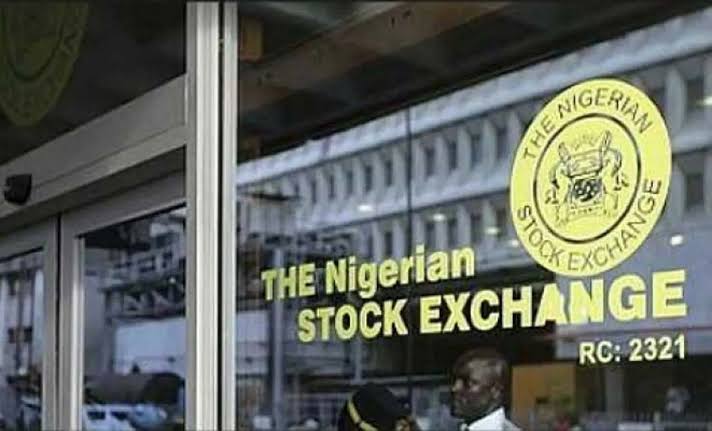
Nigeria’s stock market has emerged as the world’s best-performing equity market in 2026, delivering an impressive 67 percent return in U.S. dollar terms and surpassing South Korea’s 66 percent gain, according to data compiled by Bloomberg.
The latest ranking places the Nigerian Exchange (NGX) ahead of 92 stock exchanges tracked globally, marking another major milestone for Africa’s largest economy and reinforcing growing investor confidence in the country’s ongoing economic reforms.
The remarkable performance follows another exceptional year in 2025, when the NGX All-Share Index surged by 51.19 percent, ending the year at 155,613 points and increasing total market capitalization by ₦36.6 trillion to approximately ₦99.38 trillion.
Market analysts say the rally reflects renewed optimism driven by macroeconomic reforms, improved foreign exchange stability, stronger investor confidence, and sustained momentum in Nigeria’s financial sector.
Unlike South Korea’s market rally, which has largely been powered by technology and artificial intelligence stocks, Nigeria’s surge has been driven by economic reforms and strong performances from banks, insurance companies, and other financial institutions.
One of the biggest contributors has been the relative stability of the naira. After years of severe foreign exchange volatility, the Nigerian currency has appreciated by about 4 percent against the U.S. dollar in 2026, trading within the ₦1,370 to ₦1,385 range. The stronger naira has significantly boosted dollar-denominated returns for foreign investors.
Analysts also credit a series of policy measures introduced by the Federal Government and the Central Bank of Nigeria (CBN), including the unification of the foreign exchange market, removal of petrol subsidy, aggressive monetary tightening, and the ongoing banking sector recapitalization programme.
The banking recapitalization exercise, which has encouraged financial institutions to raise fresh capital ahead of regulatory deadlines, has generated increased market activity through rights issues, public offers, and stronger investor participation.
Higher international crude oil prices have also strengthened Nigeria’s economic outlook by pushing external reserves to around $50 billion, easing fiscal pressures and improving investor sentiment toward the country.
Despite the historic market rally, analysts caution that the gains have not yet translated into widespread economic benefits for most Nigerians.
Retail participation in the stock market remains relatively low, with ownership still concentrated among institutional investors, pension funds, foreign investors, and high-net-worth individuals, although digital investment platforms have gradually increased public access to equities.
Some individual stocks have recorded extraordinary returns. Insurance companies and banking stocks have been among the strongest performers, with reports indicating that Fortis Global Insurance generated returns of approximately 1,400 percent in dollar terms during the rally.
International investors are also watching Nigeria closely. S&P Dow Jones has reportedly placed Nigeria on its watchlist for a possible frontier market upgrade in 2027, a move that could attract significant foreign institutional investment if approved. However, FTSE Russell has continued to monitor concerns surrounding market settlement systems and operational requirements for foreign investors before making any decision.
Economic experts say the market’s performance sends a positive signal about Nigeria’s reform agenda and growing credibility among international investors. However, they stress that challenges such as inflation, unemployment, insecurity, and the high cost of living continue to affect millions of Nigerians, highlighting the gap between financial market success and broader economic realities.
Nevertheless, Nigeria’s emergence as the world’s top-performing stock market represents a significant boost to its global investment profile and demonstrates that investor confidence has strengthened considerably following recent economic reforms.

 Shola Akinyele
203 Views
Shola Akinyele
203 Views













 WhatsApp us