
 Shola Akinyele
Follow
X
Follow
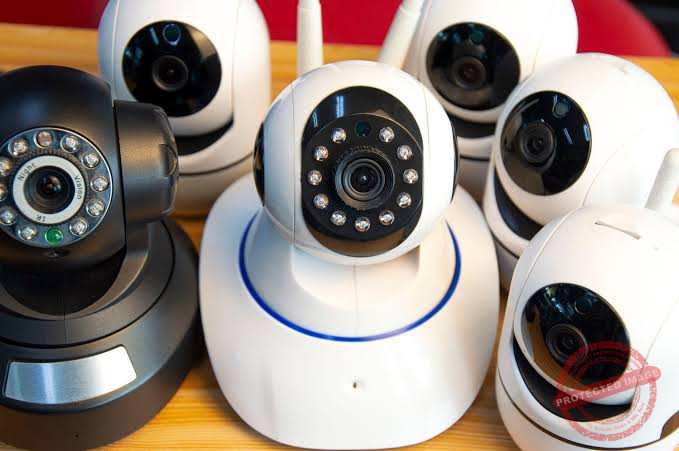
The escalating conflict between Israel and Iran is exposing a disturbing reality of modern warfare: everyday security cameras—often bought for less than $50—are being transformed into intelligence tools capable of supporting military operations.
Cybersecurity analysts say hackers linked to Iran have been scanning and attempting to compromise thousands of internet-connected surveillance cameras across Israel and several Middle Eastern countries in recent weeks. The attacks, researchers say, began around the same period that missile and drone strikes intensified across the region.
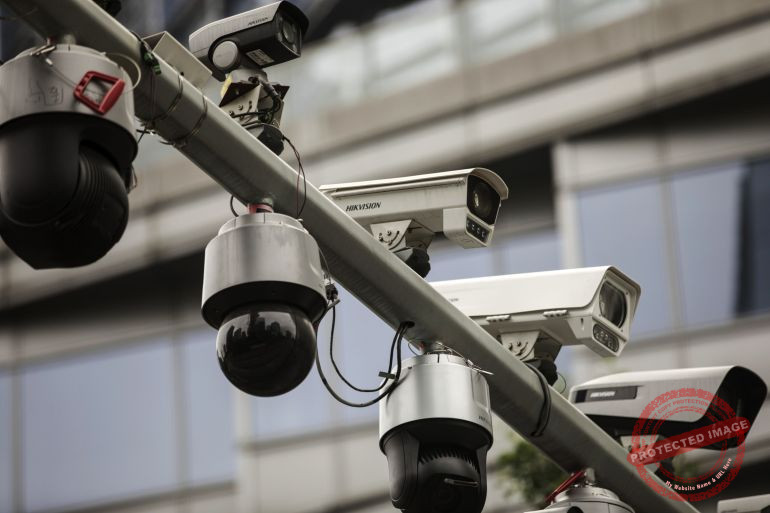
According to security experts, the targeted devices are largely inexpensive IP cameras widely used in homes, offices and commercial buildings. Many of them are manufactured by Chinese surveillance giants Hikvision and Dahua Technology, which dominate a significant share of the global security camera market.
These devices often contain long-known security flaws that allow hackers to gain remote access. In many cases, the vulnerabilities have existed for years but remain unpatched because owners fail to update firmware or change default login credentials.
Once inside a system, attackers can tap directly into live camera feeds, turning ordinary surveillance systems into a real-time reconnaissance network. Analysts say such access can reveal troop movements, civilian traffic patterns, or the aftermath of missile strikes without requiring expensive satellite intelligence.
Cybersecurity researchers say the tactic reflects a growing trend in modern conflict where digital operations directly support physical military attacks. Similar methods have previously been documented during the war in Ukraine, where compromised cameras were used to track military activity and monitor strike damage.
The intelligence war behind the current Iran-Israel confrontation is believed to be far deeper than many observers realize. Reports from international media outlets indicate that Israeli intelligence agencies had spent years infiltrating traffic-camera networks inside Tehran to monitor the movements of Iran’s Supreme Leader Ali Khamenei and members of his security entourage.
Investigators say footage from compromised cameras allowed analysts to study daily routines around government compounds, including parking patterns, bodyguard rotations and travel routes. By piecing together these observations over time, intelligence agencies reportedly built detailed “pattern-of-life” profiles of senior Iranian officials.
Such intelligence, combined with signals intercepts and human sources, is believed to have helped confirm the location of high-level Iranian leadership during a major strike that dramatically escalated the conflict.
Security analysts warn that the implications go far beyond the Middle East. Millions of surveillance cameras worldwide remain exposed to the same vulnerabilities, creating a vast digital network that hostile actors could potentially exploit.
Many governments—including the United States, Australia and Japan—have already restricted or banned certain surveillance brands from government facilities due to cybersecurity concerns. However, millions of devices remain installed in private homes, businesses and public infrastructure across the world.
Experts say the solution is not necessarily abandoning surveillance technology but securing it properly. Regular firmware updates, strong passwords and separating security devices from primary networks can significantly reduce the risk of compromise.
The lesson emerging from the latest conflict is clear: in the age of cyber-kinetic warfare, even the simplest piece of technology—like a driveway security camera—can become part of a global battlefield.












 WhatsApp us