The National Chairman of the African Democratic Congress (ADC), Senator David Mark, has issued a stark warning about Nigeria’s security crisis and the state of its democracy, declaring that the country is facing a “historic challenge” that requires urgent national intervention.
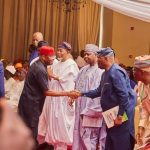
Speaking at the National Opposition Summit held in Ibadan on Friday, Mark described the gathering as a response to what he called a “call to patriotic duty,” urging opposition leaders to unite in what he termed a mission to “rescue Nigeria.”
In an address that painted a grim picture of the nation’s security situation, the former Senate President cited alarming figures, claiming that over 12,000 Nigerians lost their lives to conflict-related incidents in 2025 alone. According to him, the country now ranks among the most affected globally by terrorism, with daily reports of killings and abductions worsening the situation.
“Fear has taken the place of freedom, and uncertainty has replaced hope,” Mark said, highlighting the impact of banditry, insurgency, and violent crimes across both rural and urban areas.
He further criticized the federal government’s handling of the crisis, accusing it of showing “indifference” while focusing on political activities rather than prioritizing the safety of citizens. Nigeria, he said, has become “a nation constantly in mourning,” with families and communities bearing the brunt of ongoing violence.
Mark also raised concerns about the health of Nigeria’s democracy, alleging that opposition parties are under sustained pressure. He claimed that actions taken in recent years have weakened democratic institutions and limited citizens’ ability to freely choose their leaders.
“The essence of democracy is choice,” he stated. “But what we are witnessing suggests a growing threat to that fundamental principle.”
The ADC chairman warned against what he described as a potential drift toward a one-party state, stressing that such a development would undermine democratic governance in the country.
He called on opposition parties to set aside differences and build a united front, emphasizing that no single party could effectively challenge what he described as an entrenched political system.
“This is not the time for division or personal ambition,” Mark said. “The survival and restoration of our country must come first.”
Addressing internal challenges within opposition ranks, he urged leaders to embrace transparency, honesty, and trust, noting that unity would be critical to any meaningful political change.
On the economy, Mark suggested that recent adjustments within the government’s economic management team indicate underlying challenges, describing such moves as an implicit acknowledgment of policy shortcomings.
He also questioned the credibility of Nigeria’s electoral process, expressing concern over declining public confidence in the Independent National Electoral Commission (INEC). According to him, the perceived lack of neutrality could affect the legitimacy of future elections if not addressed.
As the summit concluded, Mark called on opposition leaders to seize the moment and create a coalition capable of driving national change. He expressed optimism that a united opposition could reshape Nigeria’s political landscape and restore public confidence in governance.
“This must be remembered as the moment everything changed,” he said. “When Nigeria called, we must be able to say we answered.”

 Shola Akinyele
82 Views
Shola Akinyele
82 Views













 WhatsApp us