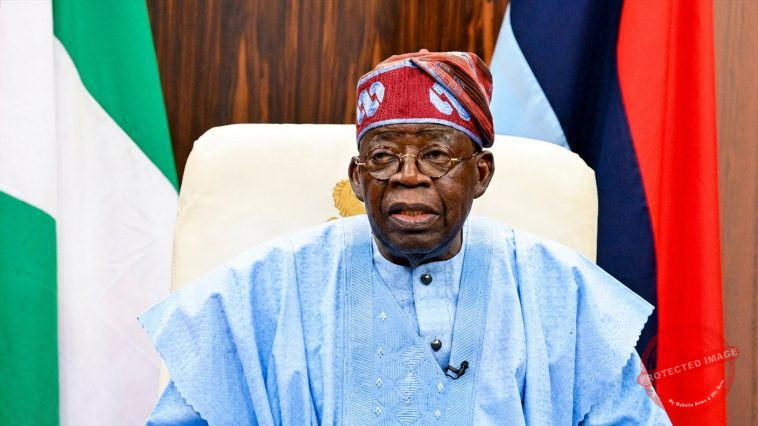
President Bola Ahmed Tinubu marked his 74th birthday on Sunday with a subdued message to Nigerians, acknowledging ongoing economic hardships while expressing optimism about the country’s future under his administration’s sweeping reforms.
In a statement released from the State House and shared via his official X account, the President said he deliberately chose a low-key celebration in recognition of the current national mood, as millions of Nigerians continue to grapple with rising living costs and economic adjustments.
“I’m filled with joy and gratitude for the opportunity to serve this great nation,” Tinubu said. “Consistent with my tradition of marking my birthday in line with the mood of the nation, I resolved to observe this year’s birthday low-key.”
He expressed appreciation to Nigerians for their goodwill messages and thanked First Lady Oluremi Tinubu, Vice President Kashim Shettima, and others who celebrated him through media messages and public tributes.
Reflecting on his administration’s journey since assuming office in May 2023, Tinubu acknowledged the difficulties triggered by key economic reforms, including the removal of fuel subsidies and the unification of the foreign exchange market. However, he maintained that the policies were necessary steps to stabilize the economy and position Nigeria for long-term growth.
“As I mark this special day, I am reminded of the challenges we’ve faced since we initiated our reforms. I’m glad that our sacrifices have not been in vain, as we can see a glimmer of light at the end of the tunnel,” he stated.
The President pointed to emerging indicators of recovery, including improved investor confidence, relative stability in the foreign exchange market, and uninterrupted academic calendars following recent agreements with university unions. He also referenced economic projections suggesting continued GDP growth and gradual easing of inflation pressures.
His remarks come just weeks before the third anniversary of his administration, a period marked by one of the most ambitious economic overhauls in Nigeria’s recent history under the Renewed Hope agenda.
Despite the government’s optimism, public reaction remains sharply divided. Supporters argue that the reforms have corrected long-standing structural imbalances, improved fiscal discipline, and set the stage for sustainable growth. Critics, however, say the immediate impact has been severe, citing high inflation, increased poverty levels, and persistent insecurity in parts of the country.
Many Nigerians continue to feel the strain of higher fuel prices, food inflation, and currency volatility—factors worsened by global pressures, including geopolitical tensions affecting oil markets.
The contrasting reactions highlight the delicate balance the administration faces as it moves from economic stabilization to delivering tangible benefits to citizens.
In his closing remarks, Tinubu called for unity and collective effort in nation-building.
“Let us continue to work together to build a stronger, prosperous and more resilient nation that will make Nigeria the pride of Africa,” he said.
The President’s birthday message, bearing official State House insignia, quickly gained traction across social media platforms, sparking fresh debates about the direction of the country and the real impact of ongoing reforms.

 Shola Akinyele
96 Views
Shola Akinyele
96 Views













 WhatsApp us