

 Shola Akinyele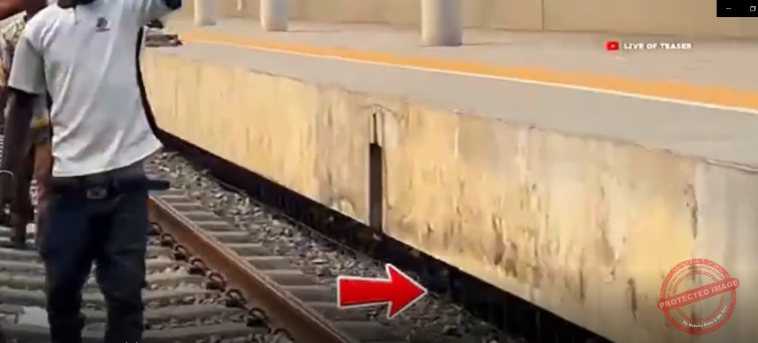
Follow
X
Follow
Beneath the roar of moving trains and the constant rush of commuters in Lagos lies a reality few ever see. A raw and emotional video by content creator and governance advocate Somto Okonkwo has exposed what he describes as a hidden community of homeless youths living directly under railway tracks — surviving in darkness, addiction, and constant danger.

The nearly nine-minute teaser, posted on March 2, 2026, and already drawing tens of thousands of views, documents Somto’s visit to an area near Oshodi known for visible street activity. What he found, he says, was far more alarming: dozens — and reportedly hundreds — of young men and women sheltering beneath active train lines in makeshift structures built from scrap wood, plastic sheets, and discarded materials.

In the footage, residents explain that survival under the tracks requires constant vigilance. When trains approach, those alerts enough must quickly shift positions to avoid being struck. According to individuals interviewed, some who are heavily affected by drug use often fail to respond to warning shouts, and others are forced to physically shake or slap them awake to prevent tragedy.

Somto also highlights the vulnerability of young women in the area. One woman, visibly struggling with substance dependence and unable to stand steadily, is described by locals as frequently exploited while asleep. Her situation reflects the deeper risks faced by homeless women in unprotected environments.

Interviews in the video reveal deeply personal stories. One young man says he has lived beneath the tracks since the age of nine after losing his mother and leaving home. Others speak of unemployment, broken family ties, lack of education, and daily survival through begging or small informal hustles. Many describe feeling invisible — cut off from mainstream society and formal support systems.

The area, reportedly referred to by residents as “under the canopy” or “under the platform,” consists of cramped and unsanitary sleeping spaces located directly beneath railway infrastructure. Residents claim that injuries and fatalities have occurred over the years due to train accidents, including a case where a boy allegedly lost a leg.

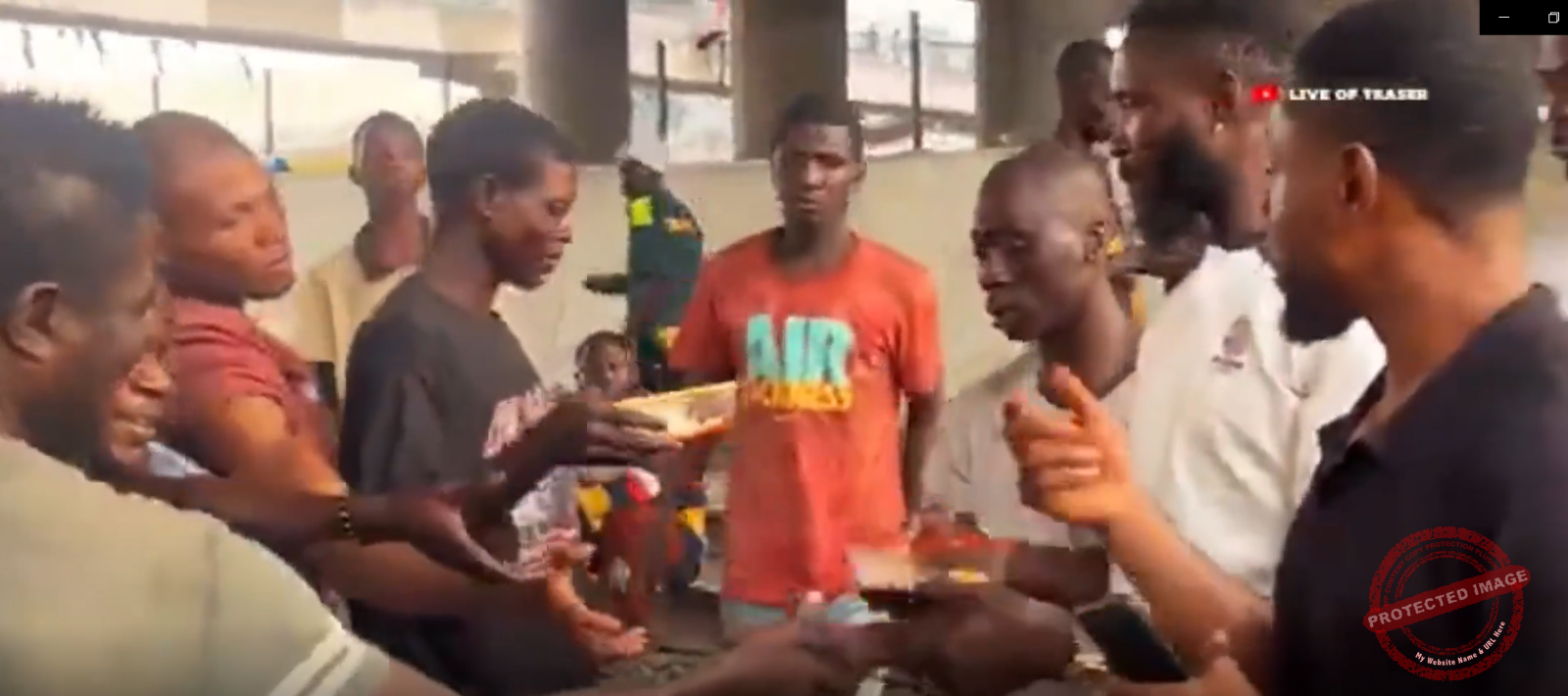
During the visit, Somto purchased food for some of the youths and attempted to assist a woman suffering from severe abdominal pain and addiction-related health complications. However, she reportedly lacked family support or funds for medical testing and treatment.

Framing the situation as a humanitarian emergency, Somto described what he witnessed as a growing crisis of youth neglect, unemployment, and substance abuse. His video has since triggered intense emotional reactions online. Many viewers described it as heartbreaking and called on authorities to intervene with shelter, rehabilitation programs, job creation initiatives, and mental health support services.
Despite Lagos being widely regarded as Nigeria’s commercial powerhouse — marked by expanding rail systems, luxury developments, and global business activity — stark inequality remains visible. Urban poverty, youth unemployment, and homelessness continue to challenge policymakers.

As of this report, the Lagos State Government has not released an official statement addressing the specific conditions shown in the video. However, the exposé has reignited national conversations about the structural issues facing vulnerable young Nigerians, including addiction recovery, affordable housing, education access, and employment pathways.

The video continues to circulate rapidly across social media platforms, prompting discussions about how many similar communities may exist unseen in other urban centers.

For many viewers, the footage serves as a painful reminder that behind the image of progress and development, some young Nigerians are living quite literally beneath the tracks of opportunity — struggling to survive each day.

This is a developing story. Updates will follow as verified information becomes available.















 and then
  WhatsApp us